
How to Boost Brand Awareness Without Big Budgets
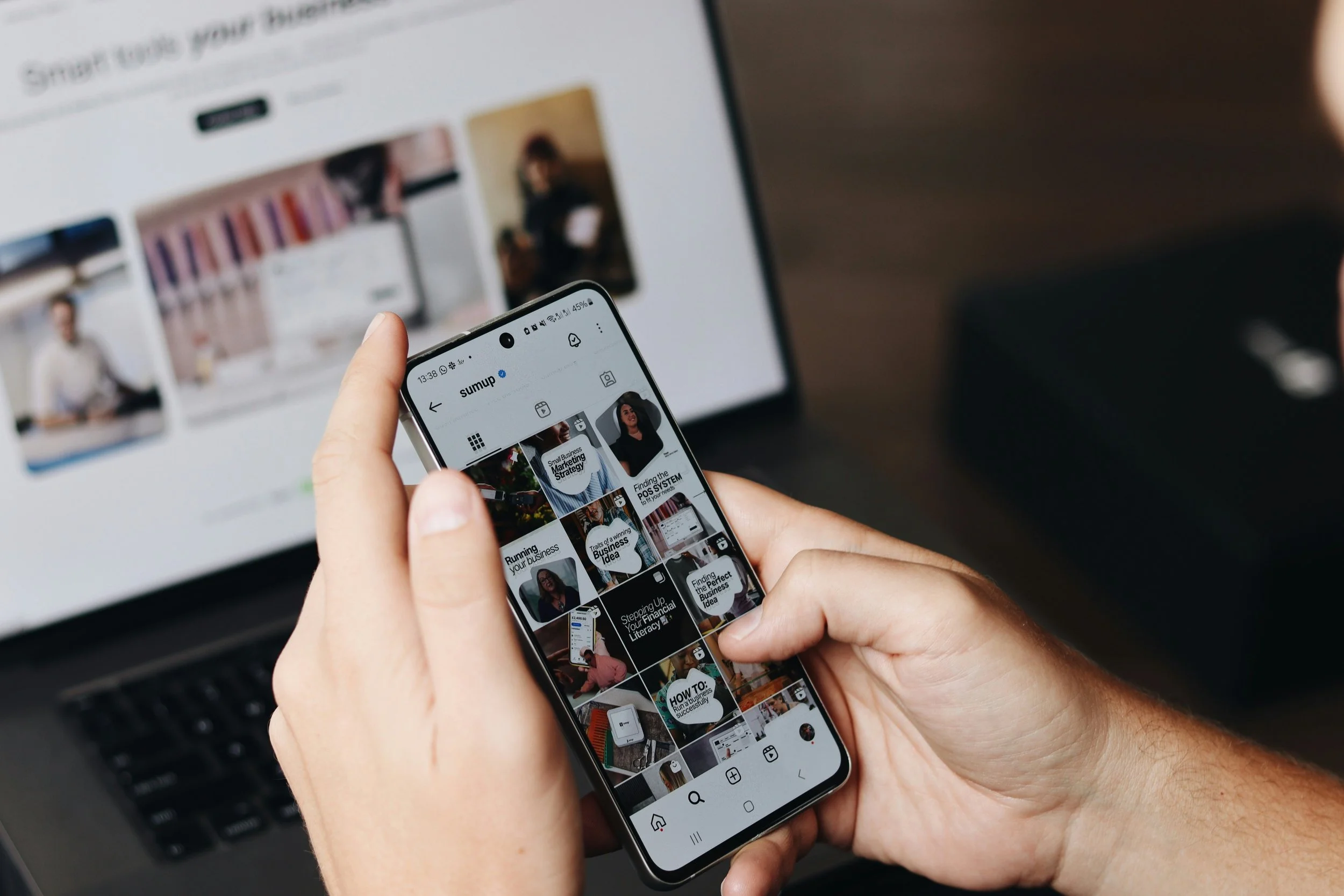
Getting your brand noticed can feel super difficult, especially when your marketing budget is tight. Many small businesses and startups believe that creating strong brand awareness requires big advertising spend, but the truth is, strategy, creativity, and consistency matter far more than dollars.
You can make a lasting impression without expensive campaigns if you focus on understanding your audience, creating engaging content, leveraging collaborations, and optimizing visibility. This article outlines proven strategies to boost brand awareness, attract the right audience, and build credibility without draining your resources.
1. Define Your Brand and Audience
Before any marketing action, it’s essential to know exactly who your brand is and who you want to reach. Many small businesses skip this step, and it costs them valuable time and effort. Start by clearly defining your unique value proposition (UVP) what makes your brand different and why customers should care. Then, create a detailed customer persona: their age, interests, challenges, and online behavior. This ensures every effort you make on social media posts, content, and collaborations resonates with the right people. Consistency in voice, visuals, and messaging strengthens recognition.
Key points:
Identify what sets your brand apart.
Know exactly who your target audience is.
Keep brand visuals and messaging consistent.
If you sell eco-friendly stationery, your target audience might be students and young professionals who care about sustainability. Your messaging should focus on eco-conscious design, quality, and affordability, and your posts should educate and inspire them to make responsible choices.
2. Leverage Social Media Strategically
Social media is a cost-effective tool for reaching potential customers and building awareness, but random posting rarely works. Focus on platforms where your audience is most active. For example, Instagram and TikTok are ideal for visual, lifestyle-focused brands, while LinkedIn suits B2B services. The key is creating content that connects content that educates, entertains, or solves a problem. You don’t need fancy cameras; even smartphone-quality videos or graphics can generate engagement when your message resonates.
Share tips, tutorials, or behind-the-scenes glimpses.
Engage directly in comments and DMs.
Repurpose content for multiple formats.
Additional tip: A small coffee shop can post short daily videos of baristas making latte art, sharing coffee brewing tips, or highlighting customer stories. Engagement like this builds a strong community organically without paid ads.
3. Collaborate With Micro-Influencers
Many think influencer marketing is only for big budgets. The reality is, micro-influencers creators with 1,000–50,000 highly engaged followers can deliver better ROI than mega-influencers. Their audiences are more niche, authentic, and responsive. Focus on authentic alignment rather than follower count. Reach out to creators whose values align with your brand, offering a free product, service, or small commission. Encourage them to share genuine experiences, not scripted ads, because trust drives awareness.
Why it works:
Micro-influencers often have higher engagement rates.
Their audiences trust recommendations more than paid ads.
Collaboration costs are minimal compared to traditional campaigns.
Example: A local organic skincare brand could partner with a wellness blogger in the city. One authentic review on Instagram Stories can generate hundreds of clicks and sales, far exceeding the impact of a costly social media ad.
4. Create and Repurpose Valuable Content
Content marketing is one of the most sustainable ways to boost brand awareness on a budget. High-quality, informative content establishes your brand as an authority, builds trust, and drives organic traffic. You can start small: blogs, newsletters, and social media posts can all be crafted in-house. Focus on addressing your audience’s problems, answering questions, or offering practical advice. The goal is to provide value, not self-promotion.
Start a blog with actionable tips related to your niche.
Repurpose blog posts into infographics, short videos, or social snippets.
Use email newsletters to share content, offers, or educational tips.
A fitness trainer could write blog posts like “5 Effective Home Workouts for Busy Professionals,” then create short TikTok videos demonstrating these exercises. This multiplies reach without additional investment.
5. Build Partnerships and Co-Brand Opportunities
You don’t have to go it alone. Partnering with complementary businesses can expand your reach without any significant budget. When brands share audiences through collaborations, both benefit. This could involve co-hosting webinars, events, contests, or social media campaigns. The key is relevance: partners should align with your values and audience.
Identify brands with non-competing but related products.
Launch collaborative campaigns or co-branded content.
Share each other’s audiences for mutual visibility.
A small yoga studio can team up with a local smoothie shop to run a “Healthy Lifestyle Week,” promoting both brands to their combined audiences. The result: new followers, increased engagement, and stronger local recognition.
6. Optimize Local SEO
For small or local businesses, appearing in local search results is a low-cost strategy that delivers high visibility. Local SEO ensures that when people search for your products or services near them, your brand is discoverable. Start by claiming and optimizing your Google Business Profile, keeping your business information accurate and encouraging customer reviews. Use location-specific keywords in your content to boost searchability.
Ensure NAP (Name, Address, Phone) consistency across platforms.
Encourage satisfied customers to leave online reviews.
Include local keywords in blogs, landing pages, and social posts.
A neighborhood bakery can use keywords like “fresh bread in [City]” or “custom cakes near me” to show up in Google searches. A few glowing reviews can amplify trust and drive foot traffic organically.
7. Leverage Public Relations
Even without a marketing budget, PR can create massive exposure. Local media, podcasts, and online publications are often eager for interesting stories. The key is to craft a story that is newsworthy and relevant. This could be a unique product launch, a charity initiative, or a community-focused project. You don’t need a PR firm; a well-written press release sent to relevant contacts can generate coverage.
Identify local or niche publications relevant to your brand.
Prepare a clear, concise story highlighting your unique angle.
Pitch interviews, guest posts, or podcasts.
A sustainable fashion brand partnering with a local charity for a clothing drive could get featured in local news, gaining recognition without spending on ads.
8. Run Contests and Giveaways
Contests and giveaways are highly effective for organic brand awareness, especially on social media. They motivate users to engage, share, and interact with your brand while spreading your message to their networks. The key is to design contests that encourage interaction and sharing, rather than just passive participation.
Encourage tagging friends, sharing posts, or creating content.
Offer your product or service as a prize.
Announce winners publicly to increase credibility and excitement.
A small local café could run a photo contest where customers share their latte art experience, tagging the café’s account. This spreads visibility across networks organically.
9. Focus on Referral Programs
Word-of-mouth is still one of the most cost-effective strategies for brand awareness. A referral program incentivizes existing customers to bring in new ones, turning happy clients into advocates. Even small rewards can motivate users to share your brand widely. Design programs that are easy to understand and track.
Offer discounts, free products, or perks for referrals.
Publicize your program through social media, email, and website.
Track results to identify top-performing referrers.
A boutique online stationery store could give 10% off for every friend referred. This not only spreads awareness but also encourages loyalty among existing customers.
10. Measure and Iterate
Finally, boosting brand awareness without a big budget requires smart tracking. You need to know what works, so you can focus your limited resources effectively. Use free tools like Google Analytics, social media insights, or email performance dashboards. Measure engagement, traffic, and conversions, then refine your approach. Consistency and learning from results are more valuable than spending more money.
Track website traffic, social engagement, and email metrics.
Identify high-performing campaigns or content.
Adjust strategies based on performance data.
A local fitness coach may notice TikTok videos outperform Instagram posts. By focusing more on video content, they can maximize impact without additional spend.
Final Thoughts
Boosting brand awareness without a big budget is absolutely possible. The most successful brands leverage strategy, creativity, and consistent engagement rather than relying solely on money.
By defining your audience, creating value-driven content, collaborating strategically, and tracking results, even small brands can compete with larger competitors. Every interaction online or offline shapes how people perceive your brand. Start small, stay consistent, and focus on genuine connections, and your brand will become both visible and memorable.
Remember: Marketing is about creativity and connection, not just cash. So connect with SMB now to discuss how we can help you grow your business.
